
.svg)
Villa Maintenance in Bali: Best Practices to Protect Asset Value
March 13, 2026
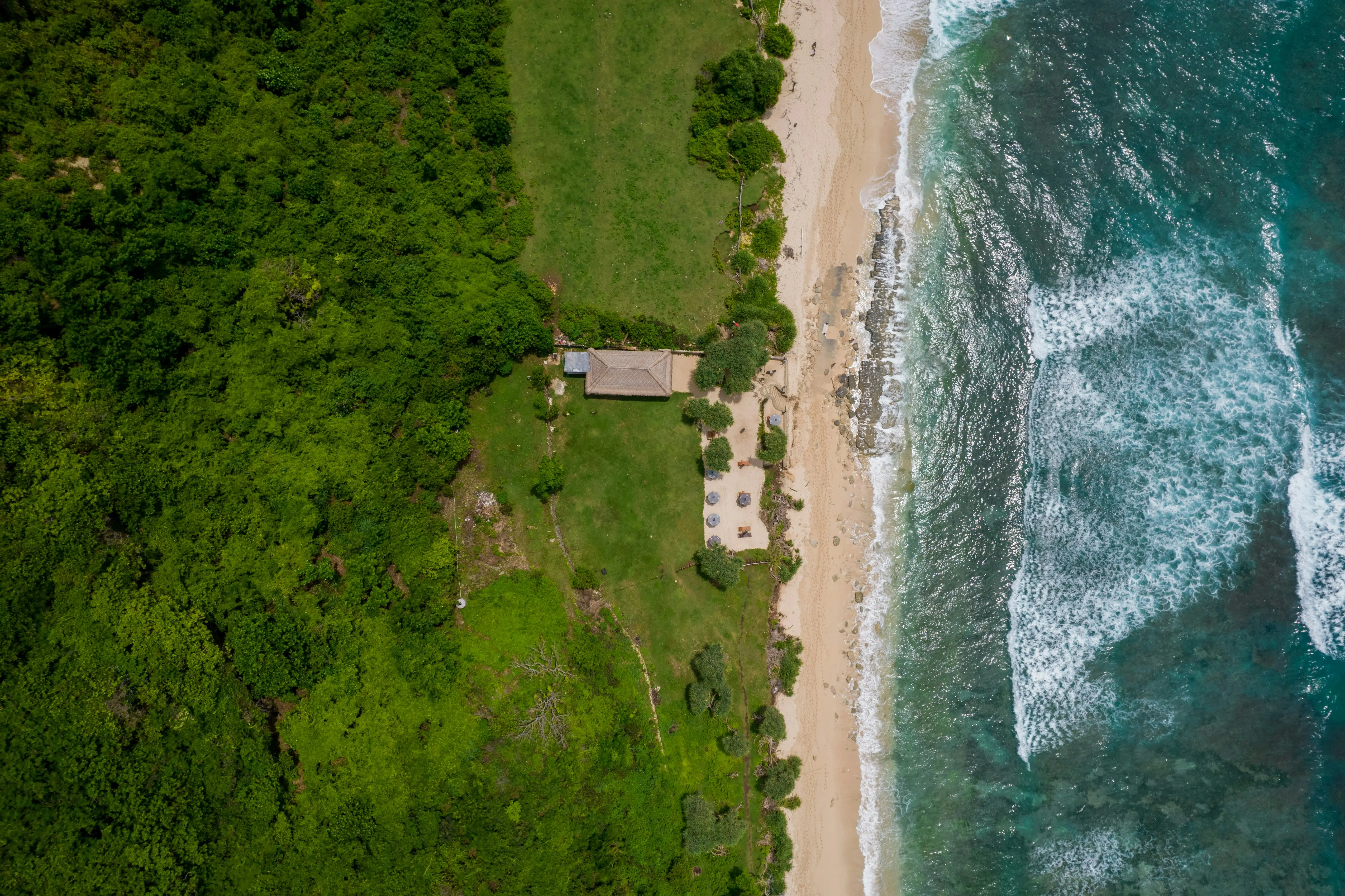
Owning a villa in Bali offers strong lifestyle appeal and rental potential — but tropical environments require proactive maintenance. Heat, humidity, salt air, and heavy rainfall can accelerate wear if not properly managed.
For investors, maintenance is not just operational — it is strategic. Consistent upkeep protects property condition, supports rental performance, and sustains long-term positioning.
Below are key best practices for preserving your villa and maximizing rental returns.
1. Understand Bali’s Tropical Impact
Bali’s climate presents unique challenges:
• High humidity can affect wood, fabrics, and electrical systems
• Coastal air can accelerate corrosion on metal fixtures
• Heavy rainfall can impact roofing and drainage
• Termites and pests require regular monitoring
Preventive maintenance is significantly more cost-effective than reactive repairs.
2. Schedule Routine Preventive Maintenance
Professional property management typically includes:
• Monthly AC servicing and filter cleaning
• Pool water balancing and equipment checks
• Pest control treatments
• Roof and gutter inspections
• Plumbing and drainage monitoring
• Electrical system inspections
Routine schedules reduce breakdown risk and extend the lifespan of key systems.
3. Protect High-Impact Materials
Material selection plays a major role in long-term durability. Teak, treated metals, natural stone, and weather-resistant finishes perform better in Bali’s climate.
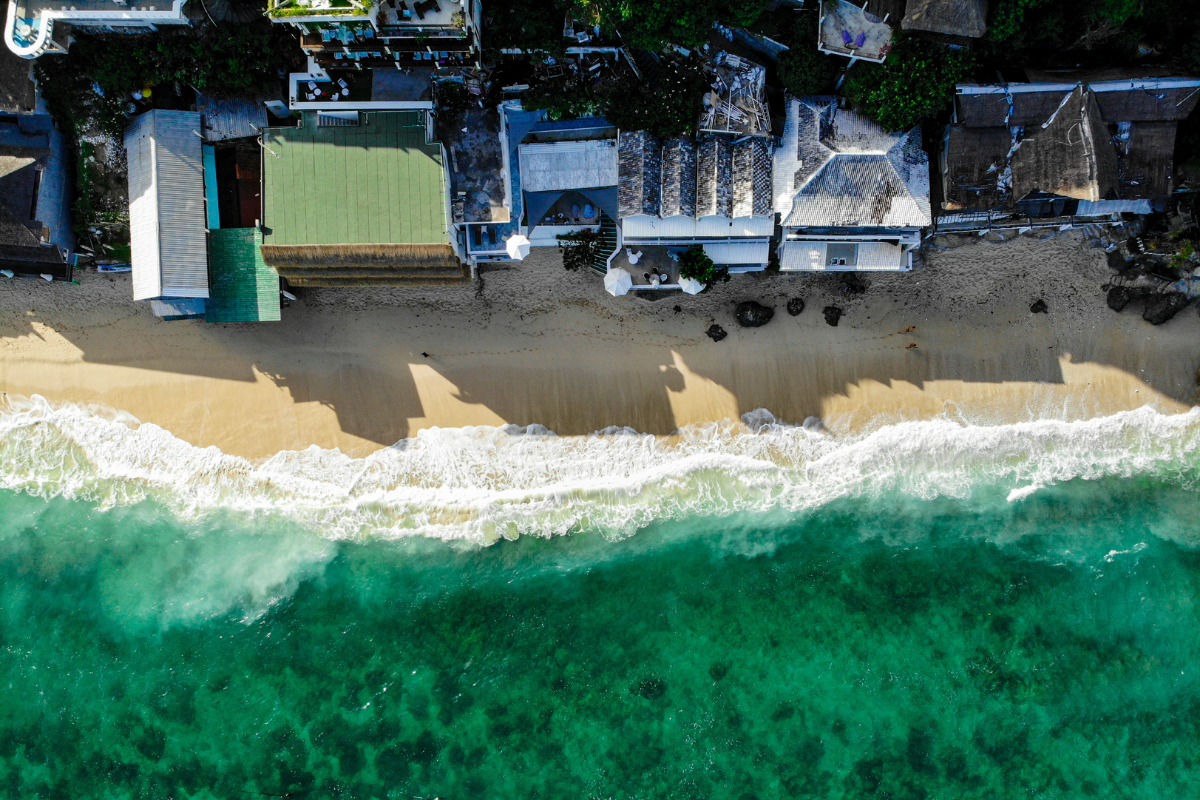
Regular sealing of wood surfaces, stone treatments, and anti-rust applications are essential — particularly in areas like Uluwatu, where coastal exposure is stronger.
Investors should prioritize maintenance budgets for exterior elements, as these are most exposed.
4. Maintain Guest-Ready Standards
For rental properties in competitive markets such as Pererenan or Canggu, presentation directly affects occupancy and nightly rates.
Best practices include:
• Regular repainting cycles
• Linen and furniture refresh schedules
• Landscape upkeep
• Lighting checks for ambiance and safety
• Deep cleaning between guest stays
Strong reviews often reflect attention to detail. Poor maintenance, even minor issues, can impact ratings and pricing power.
5. Budget for Ongoing Maintenance
A common investor mistake is underestimating annual upkeep costs. A structured maintenance reserve ensures:
• Fast response to unexpected repairs
• Consistent quality control
• Reduced operational disruptions
• Protection of rental income continuity
Maintenance should be viewed as a recurring operational investment — not an optional expense.
6. Work with Structured Property Management
Reliable on-ground management is critical, especially for overseas investors. A structured team ensures:
• Regular inspections
• Preventive servicing schedules
• Transparent reporting
• Contractor coordination
• Quality assurance checks
Clear oversight protects both the physical asset and rental performance.
Why Maintenance Directly Impacts Returns
Well-maintained villas typically benefit from:
• Higher guest satisfaction
• Stronger occupancy consistency
• Reduced emergency repair costs
• Better long-term structural integrity
In Bali’s competitive short-term rental market, condition and presentation influence demand as much as location.
Final Thoughts
Villa ownership in Bali requires active stewardship. The tropical climate rewards proactive maintenance and penalizes neglect.
For investors focused on sustainable performance, protecting the physical condition of the property is directly linked to protecting rental income stability.
Protect Your Investment from Day One
In Bali’s tropical climate, long-term returns depend on long-term planning. The right development, built with durable materials and operational foresight, reduces future maintenance risks and protects asset value.
At Bali Spaces, our villas are designed with structural integrity, climate-appropriate materials, and professional management frameworks in mind — so your investment remains resilient over time.
.jpg)
.jpg)